
A recipe for thriving rural congregations despite shifting demographics
Faced with declining attendance and aging membership, rural pastors can invite reflection on congregational history and community needs to adapt for new opportunities.
OVERVIEW
Over half of U.S. churches — around 180,000 to 210,000 — are in rural areas. These are typically small congregations situated in tight-knit communities. This initiative is comprised of 20 organizations committed to supporting the crucial role that churches and Christian ministries play in rural areas and small towns. The coordination program supports these projects by offering resources, creating learning opportunities for the project leaders, and sharing insights gained from the work.
PROJECT DIRECTORY
Each project strengthens the rural church by creating helpful resources, sharing stories, developing leaders, building partnerships in the community, expanding networks with other organizations, and providing small grants.
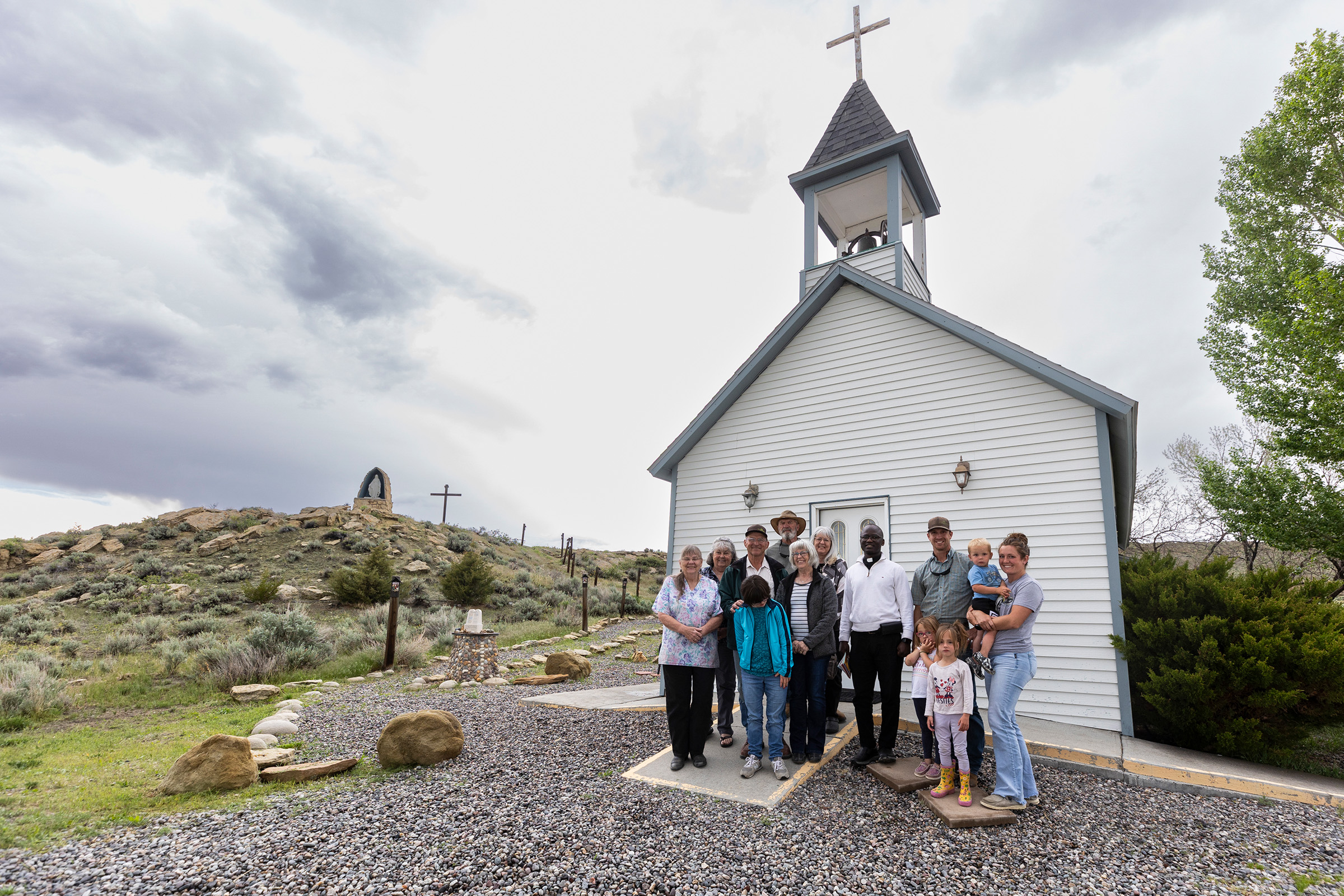
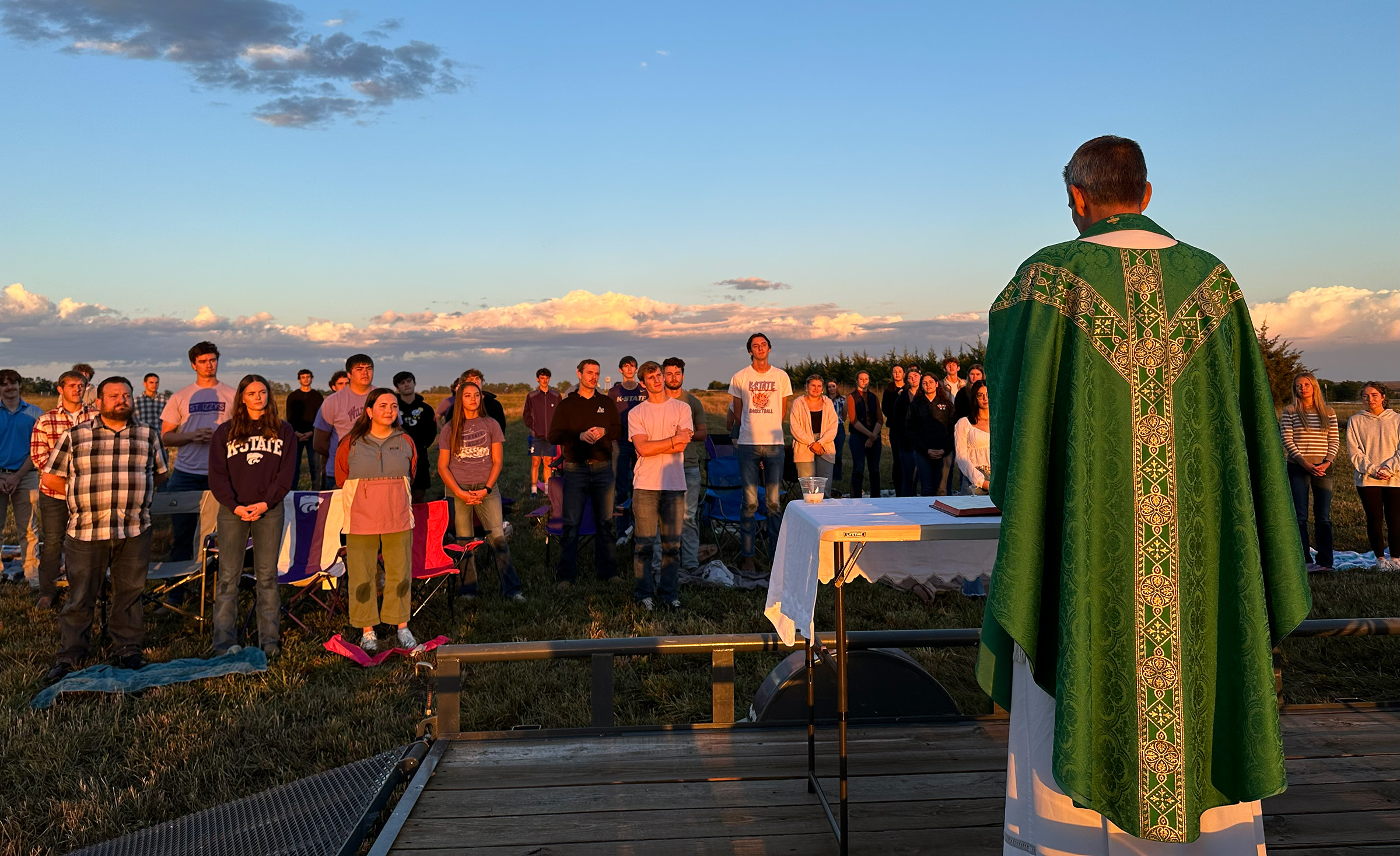
Based in Chicago, the Catholic Extension Society focuses on serving rural and small-town congregations from 87 dioceses — mission areas that are isolated and financially under-resourced. Ultimately, they serve rural churches in America’s poorest regions.
Their rural ministries initiative seeks to create more leadership opportunities for young people in these areas. They also aim to create new ministries that respond to the changing demographics by better reflecting the cultures of the people.
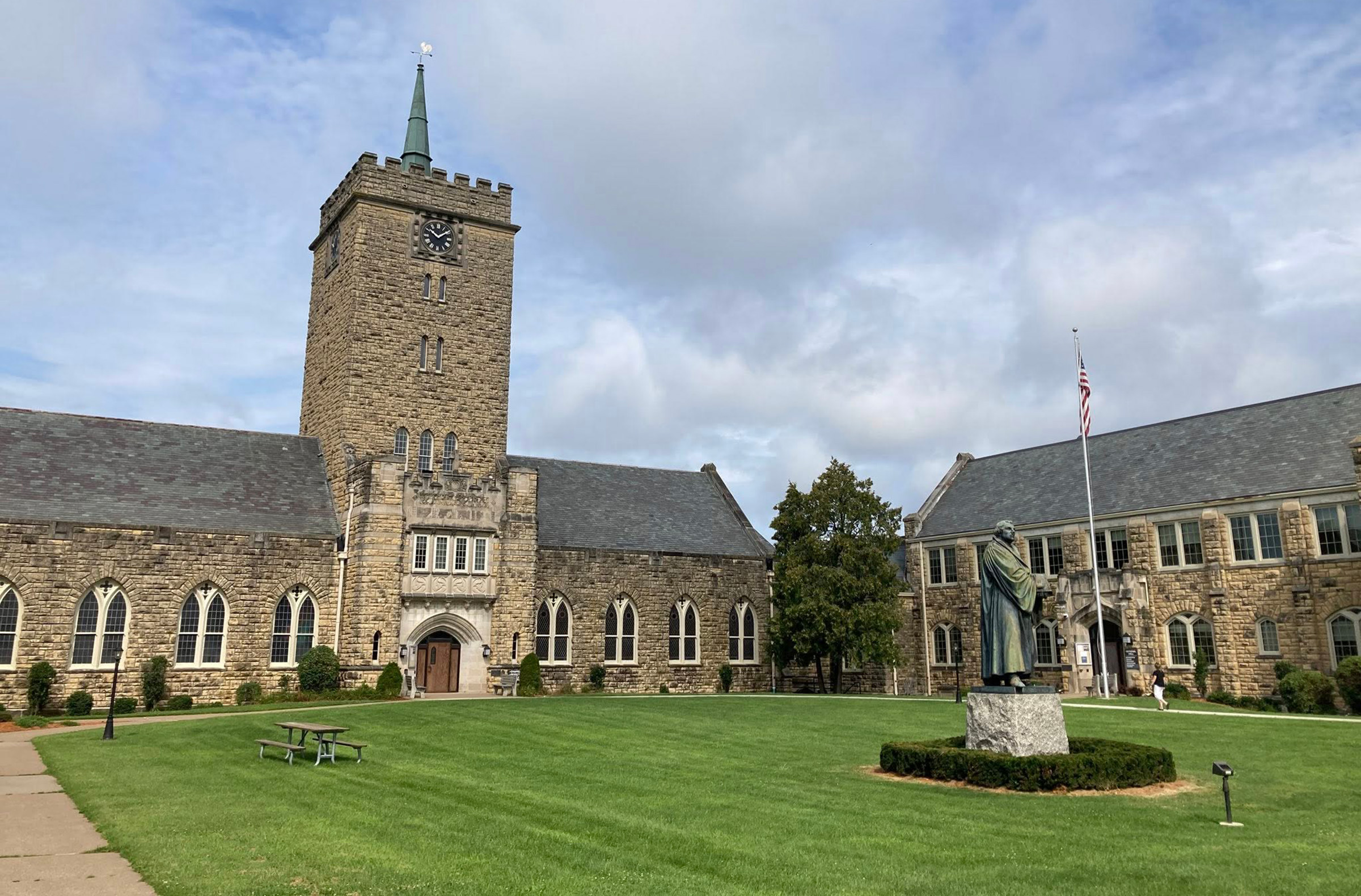
The advisors at Wartburg Theological Seminary's CaSTLE Project (Country and Small Town Lived Ecclesiology) partner with synods of the Evangelical Lutheran Church in America to serve their congregations with contextualized support that equips them to live out their Christian faith.
They train ministry leaders to shift from an attraction model of church to an equipping model of church.
Faith and Leadership