
 Center for Congregational Resources
Grantee: Samford University
Location: Homewood, AL
Website: https://www.samford.edu/congregational-resources/
Project Contact: Keri Burns
Email: keburns@samford.edu
Who we serve
Our project serves congregations in a rural or small-town setting, primarily within the state of Alabama. We welcome all rural and small-town congregations who desire to love their communities as Christ loves the church.
How we support rural congregations and ministry leaders
Our project is built around three core activities:
- Equipping the Called Leadership Program - Equipping the Called is an online, six-month course designed specifically for clergy and lay leaders serving in rural and small-town churches. Grounded in systems thinking and theological insights, this program will equip them with practical tools to nurture spiritual formation, strengthen key relationships, and foster lasting community input.
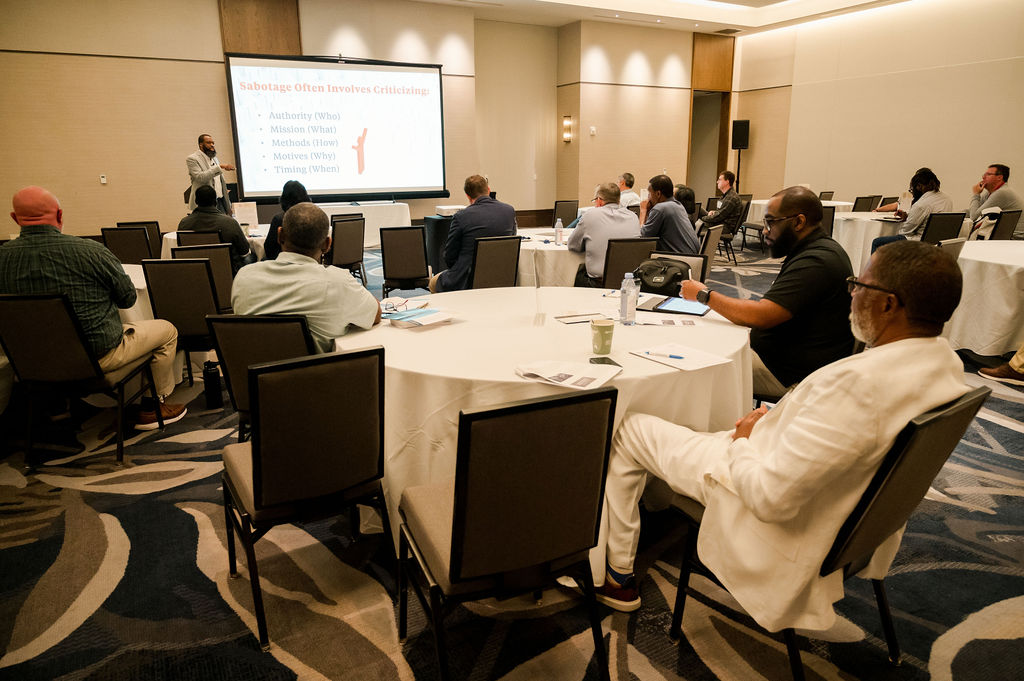
- Workshops and Conferences - Each year we will host workshops, seminars, and lunch and learns that address specific needs and challenges facing leaders of rural and small-town congregations.
- Collaboration Partners - This cohort of ten organizations will develop their own programming for the congregations in their contexts. This is a diverse group of denominational, non-profit, and educational leaders.
Our partners
 Collaboration Partners
- Alabama Center for Pastoral Resilience
- Alabama State Board of Missions (SBC)
- Catholic Diocese of Alabama
- Cooperative Baptist Fellowship
- Jefferson County District Missionary Baptist Association
- PCUSA Wilcox County
- Selma University
- Shelby Baptist Association
- Unforsaken Ministry
- University of Mobile
Programmatic Partners will include non-profits and other service providers who will bring content relevant to rural and small-town ministry efforts.
Our faith tradition
Samford University is a historically Baptist university, but our grant activities are intentionally ecumenical.
Geographical focus
The majority of project implementation will be in the state of Alabama, although re-grant partners will have a broader regional impact.